Examining the Gold Imperial Seal of the Nguyen Dynasty’s Return to Vietnam
Get link
Facebook
X
Pinterest
Email
Other Apps
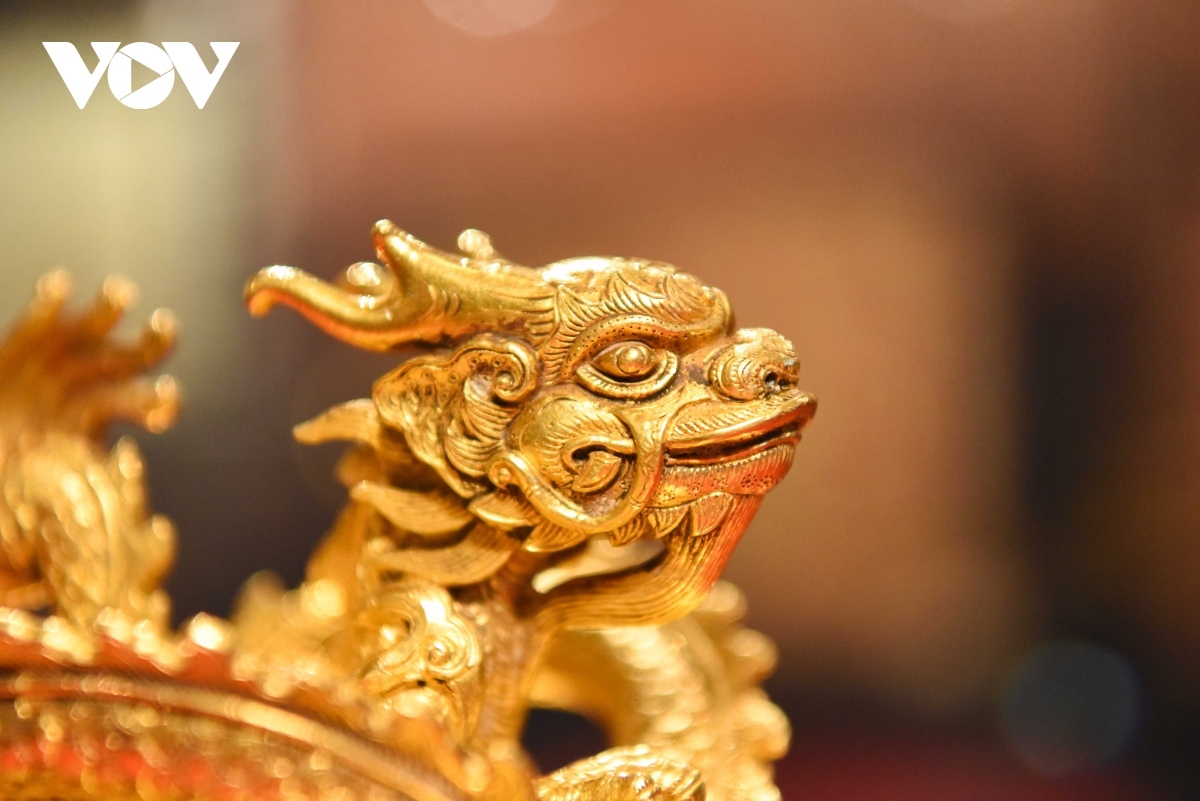
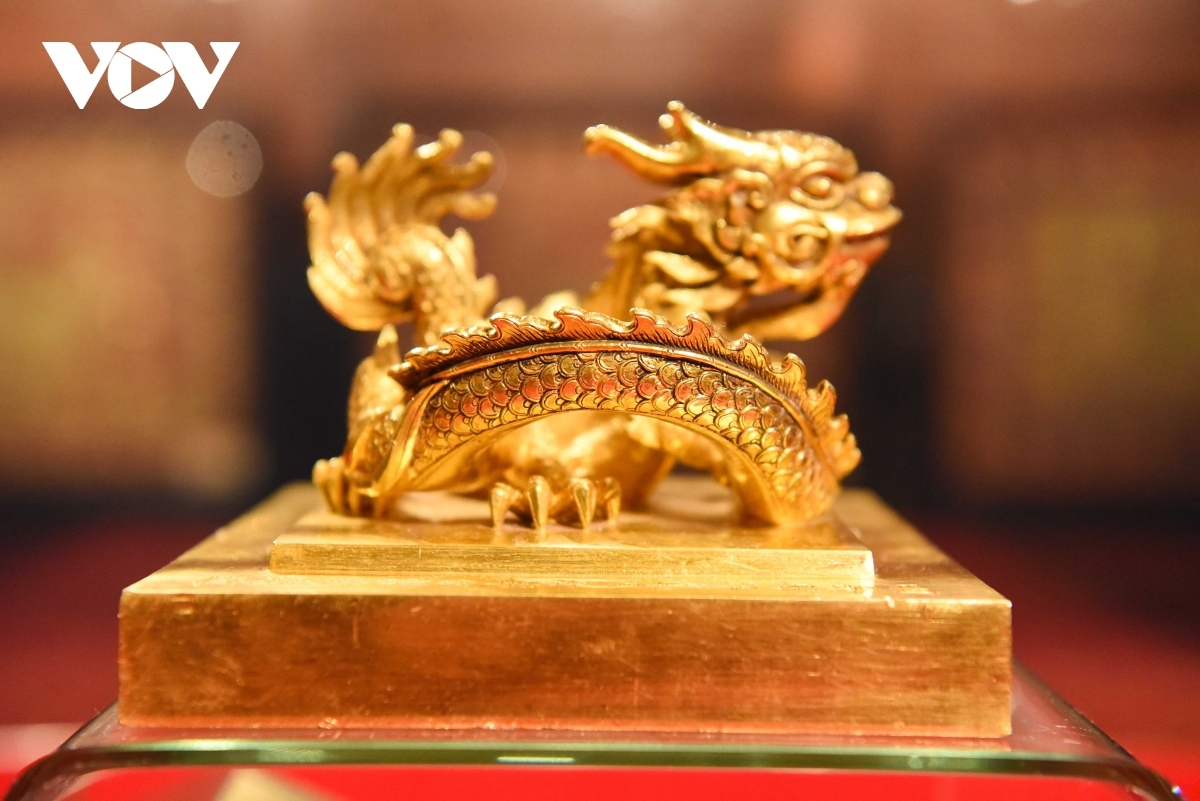
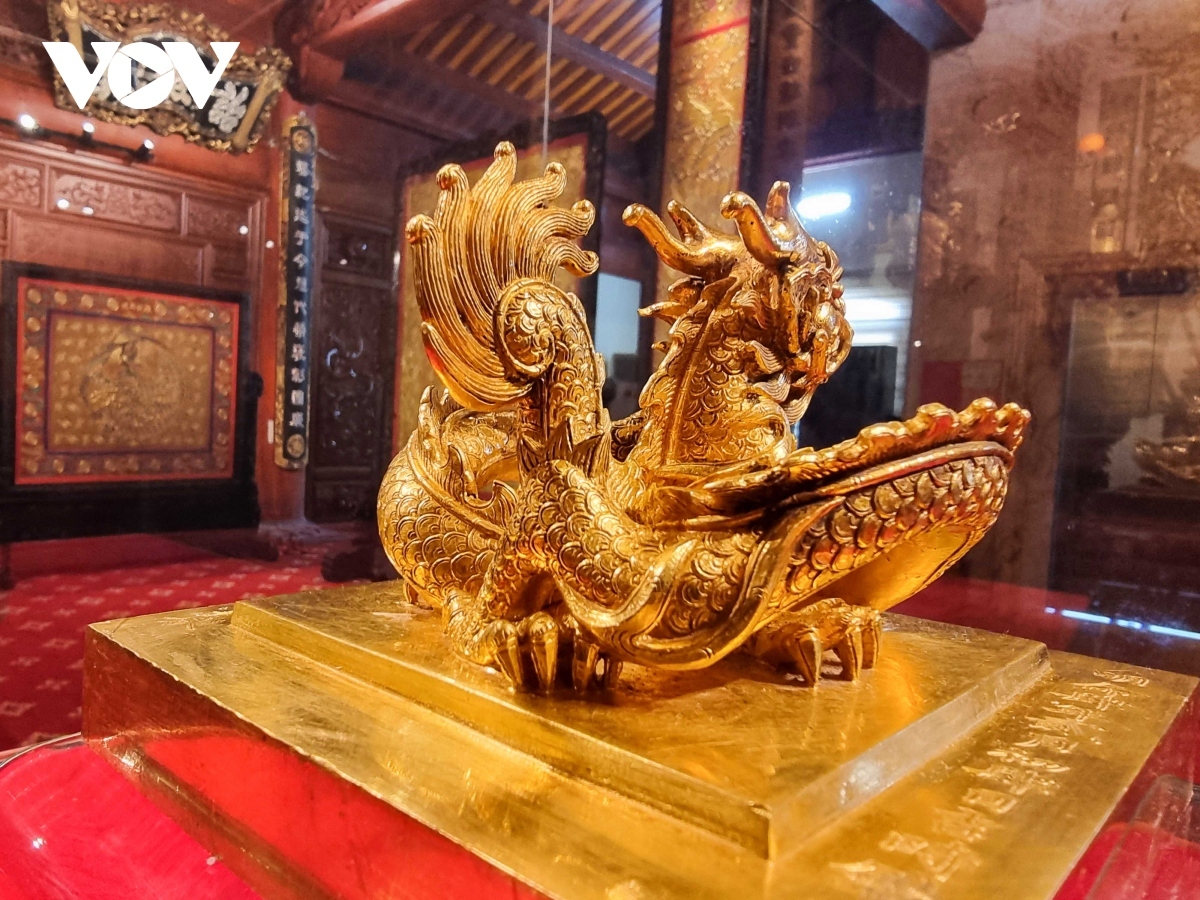
According to the Department of Cultural Heritage, the gold seal is 10.4 centimetres high, weighs 10.78 kilograms, and measures 13.8×13.7 cm.
The treasure is an important cultural heritage symbolising political power during a period in Vietnamese history, marking the transition from monarchy to modern democracy in the Ho Chi Minh era.
The seal was cast in 1823 under the reign of King Minh Mang, the second emperor of the Nguyen Dynasty, who ruled from 1820 till his death in 1841.
The Nguyen Dynasty, which ruled from 1802 to 1945, was the last monarchy in Vietnamese history. It crafted and put into use more than 100 seals, often cast in gold, silver, or precious jade. Currently, the National Museum of History is storing and preserving 85 precious jade seals of the Nguyen Dynasty.
An imprint of the gold seal of the Nguyen Dynasty
The seal is an extremely valuable historical and cultural heritage for Vietnam, says Nguyen The Hong, representative of the Nam Hong Museum, expressing hope that more and more precious artifacts will be repatriated to the fatherland in future.
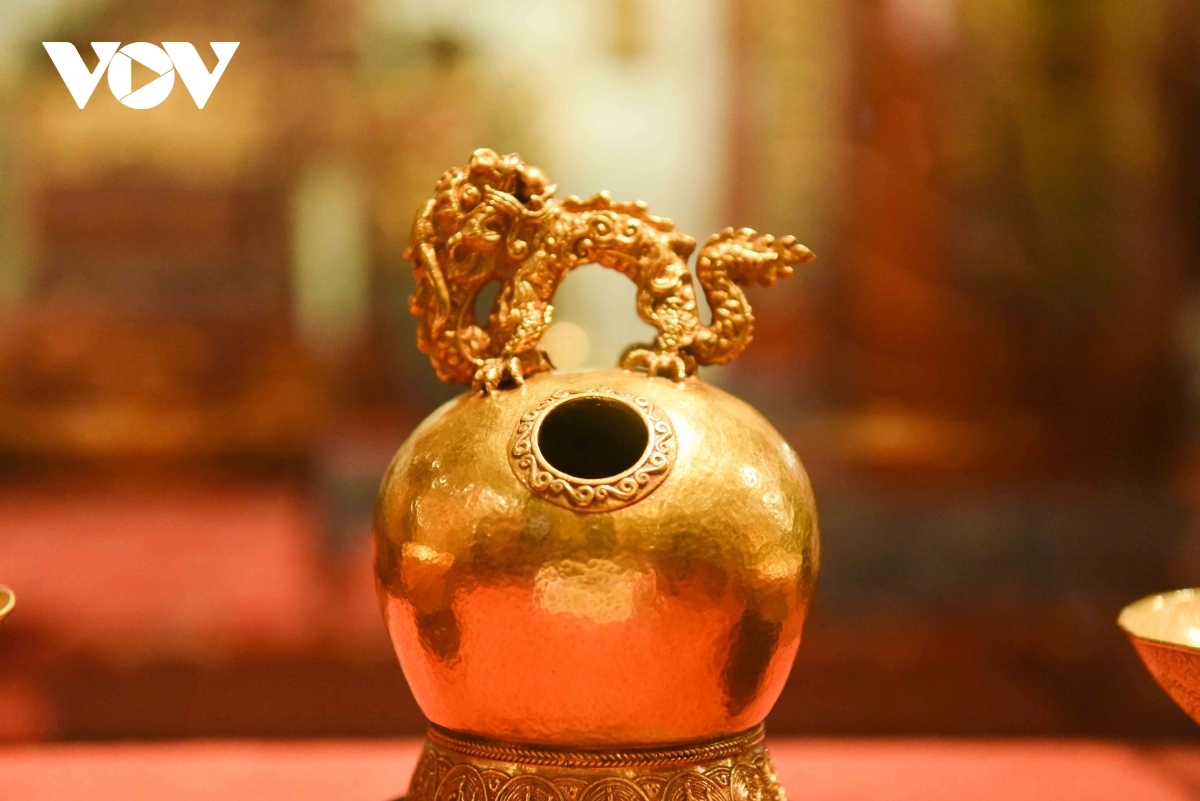
On October 19, 2022, French auction house Millon announced its auction of 329 antiquities, including two dating back to the Nguyen Dynasty, a golden seal made in 1823 under the reign of King Minh Mang, and a golden bowl made under the reign of King Khai Dinh who ruled from 1917 to 1925.
After the confirmation of the authenticity of the seal, a Vietnamese inter-ministerial delegation and the auction house agreed to transfer them to the nation.
On November 14 all sides agreed to carry out relevant legal processes and procedures for the repatriation of the seal back to Vietnam in accordance with the laws of both nations.
Nam Hong Museum in the northern province of Bac Ninh has been chosen to carry out relevant financial procedures according to French law. A contract to purchase the seal valued at EUR6.1 million was signed in France on January 13.
The Ministry of Culture, Sports and Tourism asked the museum to preserve, display, and co-ordinate with the National Museum of History in protecting and promoting the value of heritage according to the provisions of the Law on Cultural Heritage.
The Nguyen Dynasty’s gold imperial seal is handed over to Vietnam at a ceremony held at the Vietnamese Embassy in France on November 16.
The Old Quarter is a charming place that visitors are keen to explore whenever they come to the city. In the past, the Old Quater comprised 36 guilds with each guld specialising in a specific type of hand-made products. Despite the quick tempo of life, local people say it’s worth living in the Old Quarter. Inside deep alleys is a quiet life which is quite different from the busy atmosphere found in urban areas. Tofu made from soy beans is one of the favourite dishes of Hanoians. in the photo, a trader prepares tofu in Thanh Ha market. Bún Chả (grilled pork meatballs with vermicelli noodles) is one the local dishes foreigners should try when they come to Hanoi, accoding to international media, A trader is busy at work at Dong Xuan market, the largest wholesale market in the capital city. A midday break for a seafood seller at Dong Xuan market A traditional motorbike taxi driver in the Old Quarter ...
The event features a wider range of unique ornamental trees and bonsai worth several hundreds to billions of VND. This piece named “Hoang Long Vu De” is valued at VND3 billion, equivalent to US$126,370. Another piece, named “Vu Hoi Long Hoa”, is offered at a price in the tens of billions of VND. The age-old tree often has a massive, mossy trunk. A gardener brings his ornamental tree to the festival, offering it at VND3.5 billion, equal to US$147,431. The Hanoi Ornamental Creatures Festival is considered to be an important trade promotion activity which contributes to fostering the overall development of the capital’s horticulture. Local gardeners’ plants come in hundreds of designs, particularly as many consumers want their plants to be unique. According to a seller, they have to take intricate care of the ornamental creatures from their first sprouts to eventually shaping them into their designs....
The light display at Bien Dong Park in Da Nang, Vietnam, features three scenes inspired by the iconic flowers of both Vietnam and Japan – lotus and sakura (cherry blossom), respectively. The display consists of 500,000 LED lights, symbolizing the 50 years of diplomatic ties between the two countries. Ngo Thi Kim Yen, deputy head of the Da Nang municipal administration, expressed that this light display, coinciding with the Vietnam-Japan festival opening on July 13, symbolizes a bright future for both countries and offers a unique experience for both locals and tourists. The event is a collaboration between the administration of Da Nang, the Consul General of Japan in Da Nang, and the Japanese Business Association’s branch in Da Nang. The special LED light display aims to provide an evening entertainment option in central Vietnam’s largest tourism hub. The post Vietnam-Japan Diplomacy Marked with Magnificent LED Light Show Celebrating 50 Years appeared first on Vietexplorer.com...







Comments
Post a Comment