Exploring Vietnamese Culture Through Water Puppetry: The German President’s Wife’s Journey
Get link
Facebook
X
Pinterest
Email
Other Apps
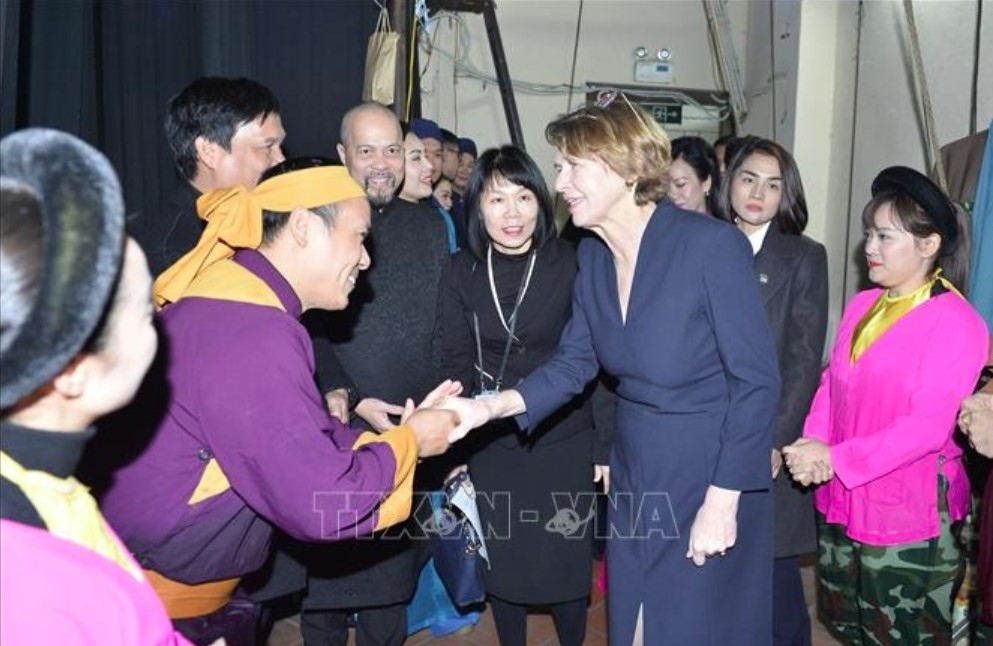
During their state visit to Vietnam, German President Frank-Walter Steinmeier and his wife, Elke Büdenbender, visited the Thang Long Water Puppet Theatre. Elke Büdenbender went behind the scenes and talked to the artists to gain a deeper understanding of the art of water puppetry and their work.
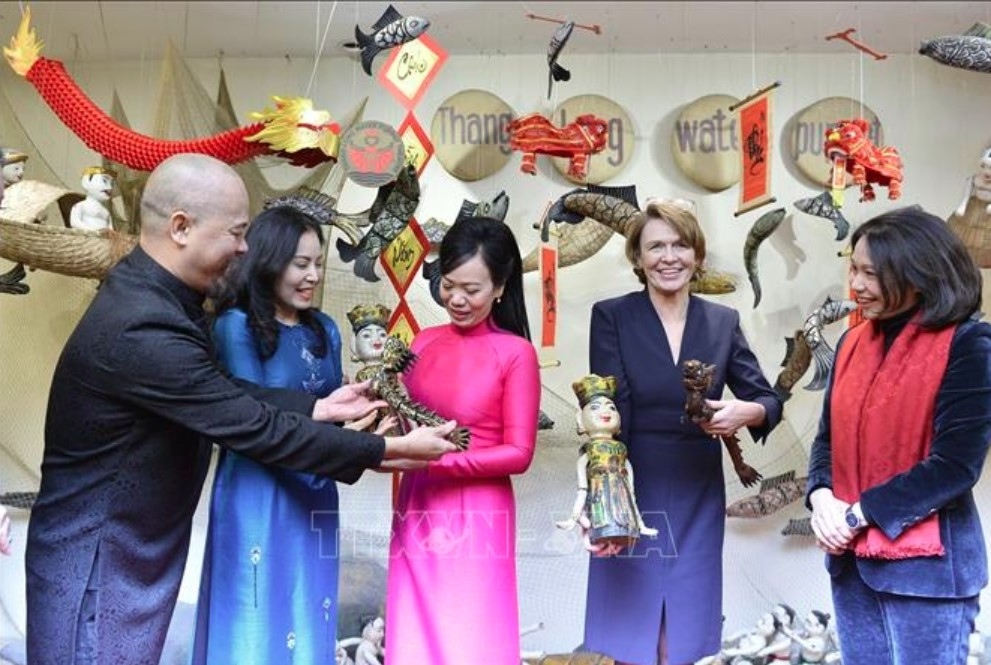
As part of their visit to the Thang Long Water Puppet Theatre, the first ladies of Vietnam and Germany received special gifts from the theatre. Water puppetry is a traditional art form in Vietnam that dates back to the 11th century. The shows depict scenes from rural life, including landscapes, bamboo trees, and traditional activities like fishing and rice cultivation.
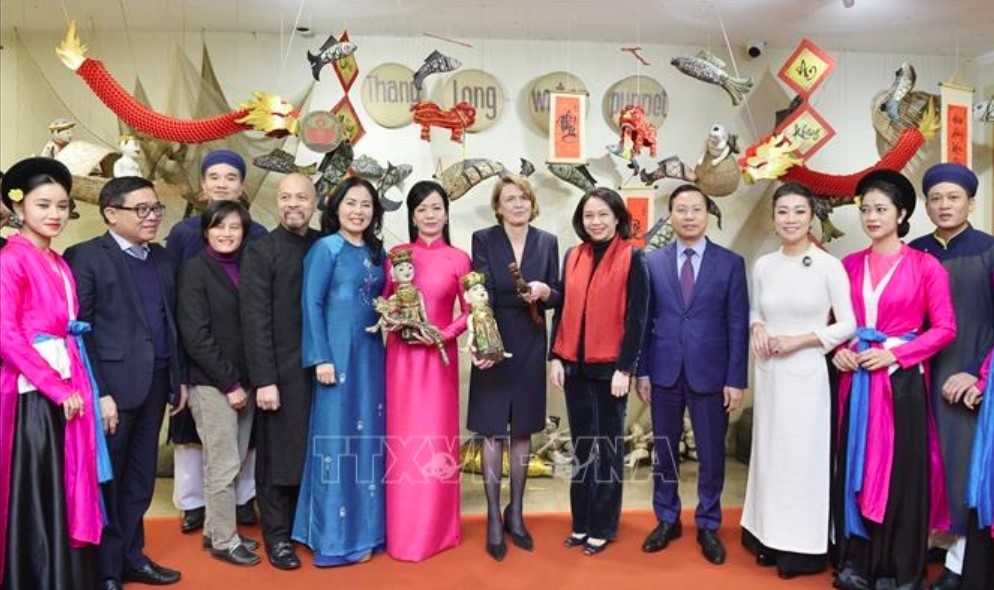
The wives of the Vietnamese and German Presidents posed for a photo with the artists at the Thang Long Water Puppet Theatre. Vietnam and Germany established diplomatic relations in 1975 and elevated their ties to a strategic partnership in 2011. The year 2024 is significant as it leads up to the 50th anniversary of their diplomatic ties in 2025.
The Old Quarter is a charming place that visitors are keen to explore whenever they come to the city. In the past, the Old Quater comprised 36 guilds with each guld specialising in a specific type of hand-made products. Despite the quick tempo of life, local people say it’s worth living in the Old Quarter. Inside deep alleys is a quiet life which is quite different from the busy atmosphere found in urban areas. Tofu made from soy beans is one of the favourite dishes of Hanoians. in the photo, a trader prepares tofu in Thanh Ha market. Bún Chả (grilled pork meatballs with vermicelli noodles) is one the local dishes foreigners should try when they come to Hanoi, accoding to international media, A trader is busy at work at Dong Xuan market, the largest wholesale market in the capital city. A midday break for a seafood seller at Dong Xuan market A traditional motorbike taxi driver in the Old Quarter ...
Farmers in Ninh Son, Ninh Phuoc, and Ninh Hai Districts have been diligently preparing their vineyards to welcome visitors. Tourists not only have the opportunity to explore a wide variety of grapes but also to savor the fresh fruits, all while enjoying the festive atmosphere. Nguyen Dinh Tri, who resides in Nhon Son Commune under Ninh Son District, cultivates a diverse range of grapevines in his vineyard. Some of the stunning varieties he grows include witch finger grape, ruby roman grape, green grape, and shine-muscat grape. These vines are abundant with luscious, ripe fruits. “I have constructed a rest area and food and beverage kiosk for visitors to enjoy when they come to my vineyard,” Tri explained. Thai An Village in Vinh Hai Commune, Ninh Hai District, is a hidden gem for travelers looking to explore the beauty of Vietnam. This village is known for its bountiful vineyards and offers a peaceful escape from the hustle and bustle of busy tourist areas. Whether you are a wine e...
The cherry blossom trees which were planted more than a decade ago are only now blooming, leaving locals bewildered. Since 1997, Japanese friends have donated approximately 100 cherry blossom trees that were planted in Viet Nhat village, now known as Thuy Khue flower village. Local workers spend plenty of time taking care of them in a special way. Cherry blossoms have three main colours, namely red, pink, and white. Flowers only bloom for seven to 15 days before they ultimately fade. In Vietnam, cherry blossoms are popular in mountainous areas, such as Sapa in Lao Cai, Moc Chau in Son La, Mang Den in Kon Tum, and Da Lat. Many photographers come to snap photos of the beautiful Japanese flowers. The Japanese cherry trees are now blooming, making Hanoi’s streets more brilliant during the spring. The post Japanese cherry blossoms bloom in Hanoi appeared first on Vietexplorer.com . View more fro...


Comments
Post a Comment